
Email is not new, shiny or especially glamorous. Inboxes are busy, spam is irritating and most people are rightly selective about what they open.
Even so, email marketing still matters for small businesses. Used properly, it is one of the most practical ways to keep customers informed, encourage repeat visits and build a relationship that does not depend entirely on search rankings or social media algorithms.
The key is to treat email as a useful communication channel, not a dumping ground for sales messages.
It keeps customers in the loop
Email is a simple way to tell customers what is happening.
That might include new products, service updates, seasonal opening hours, helpful guides, renewal reminders, events, offers or useful advice. Not every message needs to sell something directly.
Sometimes the value is simply staying visible and helpful, so customers remember you when they need what you offer.
You own the relationship more directly
Social media can be useful, but you do not fully control who sees your posts.
With an email list, you have a more direct route to people who have actively asked to hear from you. That does not mean every subscriber will open every message, but it does give you a steadier channel than relying only on third-party platforms.
For small businesses, that direct relationship is valuable.
Email can be personal and relevant
Good email marketing is not about sending the same generic message to everyone forever.
Modern email tools allow you to segment lists, personalise greetings, send welcome sequences, follow up after purchases and share different content with different types of customers.
Even simple personalisation can make a message feel warmer and more relevant, as long as it is used honestly and not overdone.
It supports repeat business
Many businesses spend a lot of effort attracting new visitors, then do very little to bring previous customers back.
Email can help with that. A useful newsletter, renewal reminder, service update or well-timed offer can prompt someone to return when they might otherwise have forgotten.
For ecommerce sites, bookings, professional services and subscription-based businesses, email can quietly support repeat sales and customer retention.
It works well alongside your website
Your website and email list should support each other.
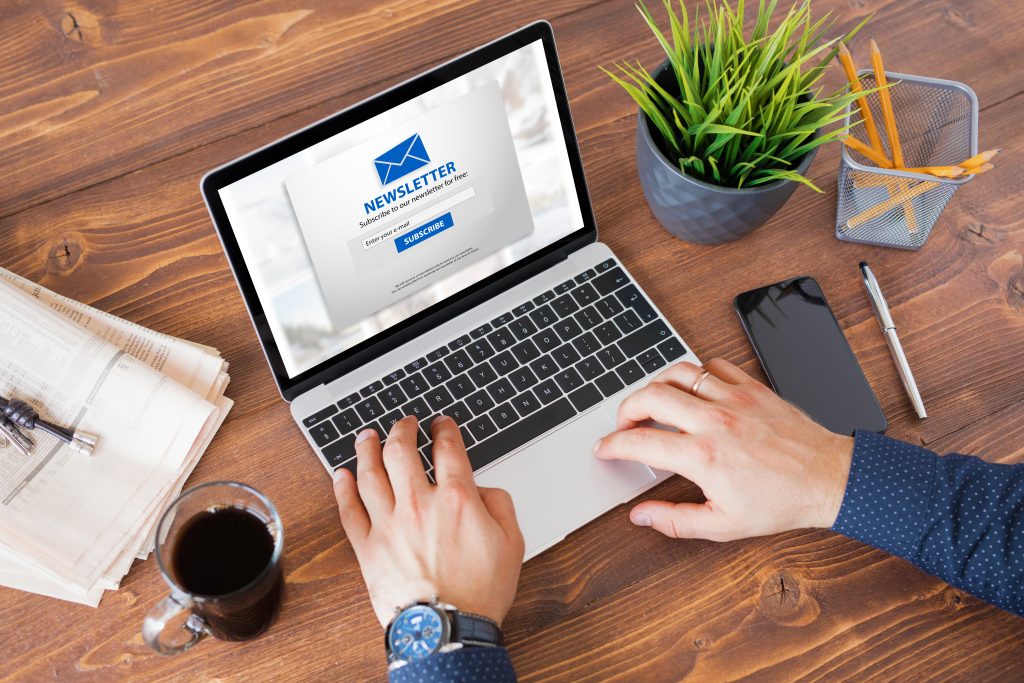
Your website can invite visitors to subscribe, download a guide, request updates or receive useful tips. Your emails can then bring people back to relevant pages, articles, products or services.
That relationship works best when the sign-up promise is clear. If someone joins for practical advice, send practical advice. If they join for offers, send offers. Trust starts with doing what you said you would do.
It is cost-effective
Email marketing can be relatively inexpensive compared with many other marketing channels.
That does not mean it is free. You still need time, planning, copy, design, list management and a proper email platform. But for many small businesses, the cost is modest compared with the value of staying in regular contact with customers.
The return depends on the quality of your list and the usefulness of your messages.
Permission matters
Good email marketing starts with permission.
Do not add people to a mailing list just because you have their address. Make it clear what they are signing up for, give them a simple way to unsubscribe and respect their preferences.
This is not just about compliance. It is about trust. People are far more likely to open your emails when they remember asking for them.
Deliverability matters too
It is not enough to write a good email. It also needs to reach the inbox.
Use a reputable email marketing platform, keep your list clean, avoid misleading subject lines and make sure your domain’s email authentication records are set up correctly. SPF, DKIM and DMARC can all help receiving mail servers trust that your messages are genuine.
Email marketing still matters because customers still use email, businesses still need direct communication and useful messages still get read. Keep it relevant, respectful and consistent and it can remain a valuable part of your online marketing.