When you register a domain name, ownership information has to exist somewhere.
Domain registries and registrars need accurate contact details for administrative and legal reasons. Historically, much of that information was visible through public WHOIS lookups, which meant a domain owner’s name, address or other contact details could be easy to find.
Privacy rules and registrar practices have changed over time, but the basic question remains useful: how much of your domain contact information should be visible?
What is WHOIS?
WHOIS is a system used to look up information about a domain name.
Depending on the domain extension, registrar and privacy rules involved, a lookup may show details such as the registrar, registration dates, name servers, expiry date and sometimes registrant contact information.
It can be useful for checking domain ownership, investigating technical issues or confirming who manages a domain.
What does WHOIS privacy do?
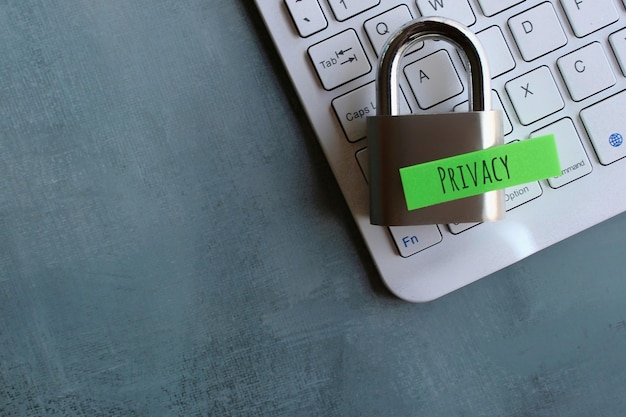
WHOIS privacy helps reduce the amount of personal information shown publicly.
Instead of displaying an individual’s contact details, the public record may show privacy-protected or registrar-managed details. The domain still has a real owner behind the scenes, but casual lookups reveal less personal data.
This can be especially useful for individuals, sole traders, bloggers and small businesses that do not want a home address or personal email exposed.
Why privacy can matter
Public contact information can attract unwanted attention. Domain owners may receive spam, sales calls, fake renewal notices or speculative purchase enquiries.
In some cases, visible personal details can create a genuine privacy concern. WHOIS privacy is not a complete security solution, but it can reduce unnecessary exposure.
When transparency may help
Some businesses want customers to see clear ownership signals.
A larger company, regulated organisation or public-facing brand may already publish business contact details elsewhere. In those cases, privacy may be less about hiding and more about making sure the right official contact information is available in the right place.
Your website should still include clear, trustworthy contact details where appropriate.
Check what applies to your domain
Privacy rules vary. Different domain extensions have different requirements and some registrant data may already be hidden by default.
If you are unsure what is visible, ask your domain provider or run a lookup through a reputable WHOIS service. The important thing is to know what customers, suppliers and strangers can see.
Keep the real details accurate
Privacy does not mean fake details. Your registrar still needs accurate ownership and contact information.
If details become outdated, you can miss renewal notices or important domain messages. In the worst case, poor admin can put control of the domain at risk.
Keep ownership details current, even if public privacy is enabled.
A simple layer of protection
WHOIS privacy is not complicated, but it is worth understanding.
For many individuals and small businesses, it is a useful way to keep personal contact details out of public view while still keeping the domain properly registered and managed.