
A hotel website has to do a lot of work quickly. Visitors want to see the rooms, understand the location, check availability, compare facilities and feel confident enough to book.
If the website is slow, confusing or missing key details, guests may simply use a booking platform or choose another hotel. A strong hotel website should make direct booking feel easy and worthwhile.
Strong room pages
Rooms are usually the heart of the website. Each room type should have clear photos, a plain description, occupancy details, bed options, key facilities and anything else a guest needs before booking.
Avoid vague descriptions. If a room has a sea view, desk, sofa bed, accessible bathroom or space for a cot, say so. These details matter when people are comparing options.
Clear photography
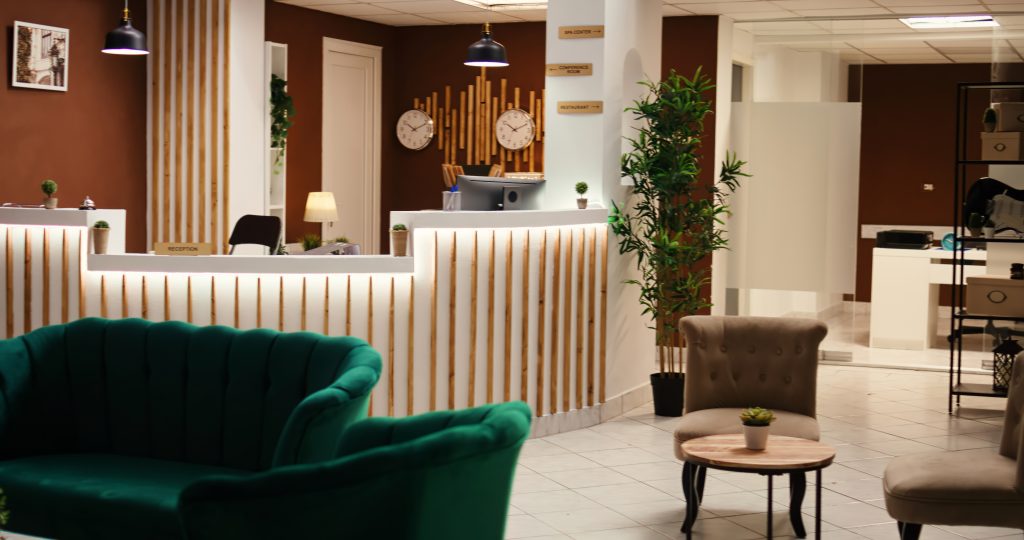
Good images are essential for hotels. Guests want to picture the experience before they arrive. Show bedrooms, bathrooms, reception, dining areas, exterior views and any facilities that influence booking decisions.
Images should be honest as well as attractive. Over-edited or misleading photography may get the booking, but it can damage trust when the guest arrives.
A simple booking path
The booking route should be visible from every important page. If you use a booking engine, make sure it works smoothly on mobile and does not feel disconnected from the rest of the site.
Guests should be able to check dates, compare room types and understand the price without unnecessary friction.
Location information
Location is a major part of choosing a hotel. Include the address, map, parking details, public transport information and distances to important local attractions, venues or transport links.
If your hotel is close to a beach, conference centre, airport, wedding venue, university or town centre, make that clear.
Facilities and policies
Guests often need practical answers before booking. Include information about breakfast, check-in and check-out times, parking, Wi-Fi, pets, accessibility, family facilities, cancellation policies and any extras.
Do not hide this information in small print. The easier it is to find, the fewer doubts a guest has before booking.
Reviews and reassurance
Reviews, awards, star ratings, local press mentions and guest testimonials can all help build trust. Place reassurance near booking decisions, not only on a separate page.
If you have a particular strength, such as family-friendly rooms, business facilities, event hosting or local dining, make sure it is visible.
Mobile performance
Many hotel searches happen on mobile, often when people are travelling or comparing options quickly. A hotel website must load quickly, be easy to browse and make booking straightforward on a phone.
Large images need to be optimised properly. Beautiful photography should not come at the cost of slow pages.
Local content
Useful local guides can help guests plan their stay and bring more search traffic to the site. Attractions, restaurants, walks, event venues and seasonal guides can all be useful if they are genuinely relevant.
A hotel website should sell the stay without making visitors work too hard. Show the rooms, explain the essentials, make booking simple and keep the experience fast on every device.