
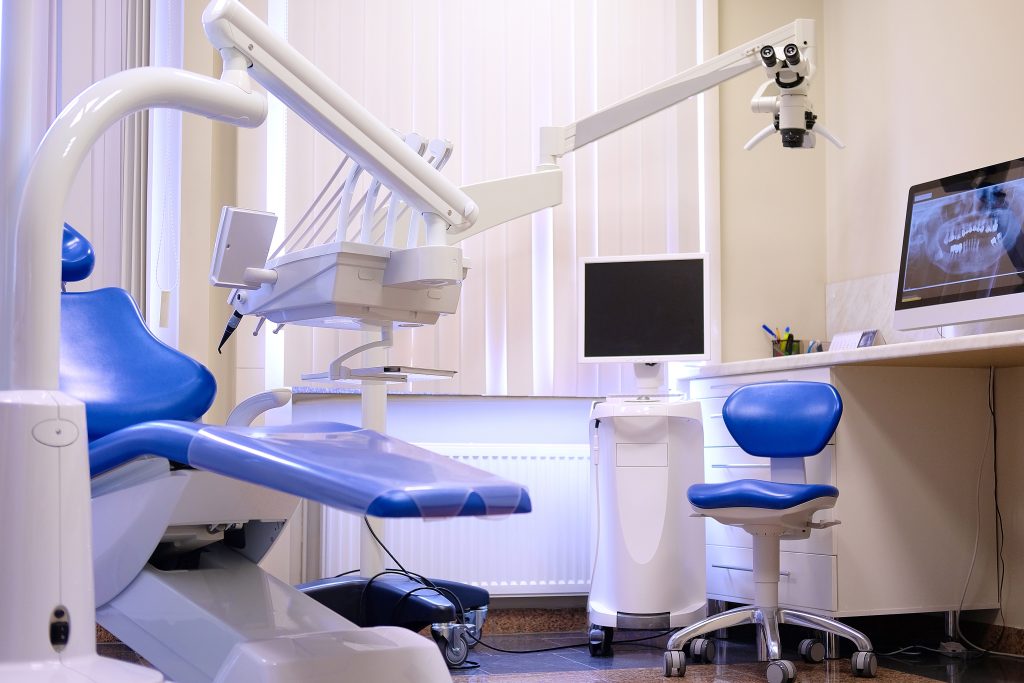
A dental practice website needs to do more than look clean and professional. It has to help patients find the right information quickly, understand the services available and feel comfortable enough to make contact.
For some visitors, booking a dental appointment is routine. For others, it can be stressful. The website should make the experience feel clear and straightforward.
Essential practice information
Start with the basics. Opening hours, address, phone number, email address, parking information, public transport details and accessibility information should be easy to find.
If the practice accepts new patients, say so clearly. If there is a specific route for emergency appointments, include that information in a prominent place without making exaggerated claims.
Clear treatment pages
Patients may be looking for routine check-ups, hygiene appointments, fillings, whitening, orthodontics, implants or cosmetic treatments. Each important service should have its own clear page or section.
Avoid overly technical language where possible. Explain what the treatment is, who it may be suitable for, what the appointment process usually involves and how the patient can ask for more information.
A simple booking or enquiry route
Whether you offer online booking, phone booking or enquiry forms, the next step should be obvious. People should not have to hunt through several pages to make an appointment.
For forms, keep the first step simple. You can always gather more detail later. Make sure patients understand when they can expect a response.
Trust and reassurance
Dental websites benefit from a personal touch. Team profiles, practice photos, patient testimonials, professional registrations and clear policies can all help build confidence.
For nervous patients, it can be useful to explain how the practice approaches communication, comfort and treatment planning.
Fees and finance information
Where appropriate, include clear information about fees, payment options, membership plans or finance. Patients often want to understand likely costs before making contact.
Even if exact pricing depends on a consultation, transparent guidance is usually more reassuring than no information at all.
Mobile-friendly design
Many patients will search for a dentist from a phone. They may need directions, a phone number or emergency information quickly.
The website should load quickly, display clearly on small screens and make contact details easy to tap. Forms should be short enough to complete without frustration.
Privacy, accessibility and compliance
A dental practice handles sensitive personal information, so privacy and data handling should be taken seriously. The website should include appropriate privacy information, secure forms where personal details are collected and accessible design for users with different needs.
The site should also avoid making claims that cannot be supported. Keep treatment information helpful, accurate and professionally presented.
Useful content for patients
FAQs and short advice pages can reduce repeated questions and help patients feel prepared. Topics might include what to bring to a first appointment, how to register, what to do before a hygiene visit or how to contact the practice in an emergency.
A good dental practice website should feel trustworthy and easy to use. It should help patients take the next step with confidence while giving the practice a professional online presence that reflects the care provided in person.