
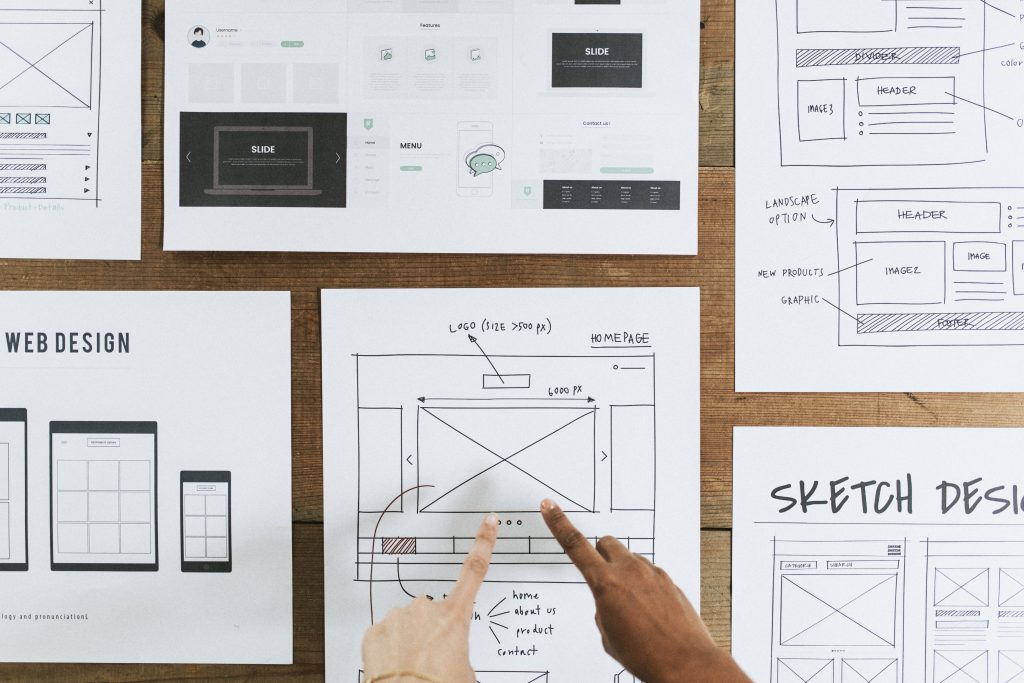
Your homepage is often the first proper impression someone gets of your business. It does not need to say everything, but it does need to make the right things clear quickly.
If visitors land on your site and have to work too hard to understand who you are, what you do or what they should do next, a lot of them will simply leave.
These are some of the homepage mistakes that can quietly cost you conversions.
Making the message too vague
A homepage should tell people what you do in plain language. That sounds obvious, but plenty of sites open with broad phrases like “solutions for modern businesses” or “helping you grow online” without explaining the actual service.
Visitors should not have to decode your headline. Within a few seconds, they should be able to understand what you offer and whether it is relevant to them.
Hiding the next step
If you want people to call, book, buy, request a quote or send an enquiry, make that action obvious.
A good call to action does not have to be aggressive. It just needs to be easy to find and easy to understand. If the only contact link is tucked away in the footer or every button uses vague wording like “Learn more”, you may be making the visitor do unnecessary work.
Trying to say too much at once
The homepage should guide people, not overwhelm them.
Too many banners, boxes, pop-ups, sliders, badges and competing calls to action can make a site feel busy and uncertain. If everything is shouting for attention, nothing feels important.
Focus on the main thing the visitor needs to know first. You can give them routes into more detailed pages once the basics are clear.
Forgetting trust signals
People are cautious online, especially when they are choosing a service provider. A homepage should give them reasons to feel confident.
That might include customer reviews, accreditations, clear contact details, years in business, case studies, examples of work, payment options, support information or recognisable clients.
Trust signals should be genuine and relevant. They are there to reassure, not decorate.
Neglecting mobile visitors
A homepage that looks tidy on a desktop can still be awkward on a phone.
Mobile visitors need readable text, clear buttons, fast loading pages and navigation that does not feel cramped. Forms should be short enough to complete comfortably and important details such as phone numbers or enquiry buttons should be easy to reach.
If your homepage is difficult to use on a mobile device, you are likely losing enquiries.
Making the page slow
Speed affects both user experience and search performance. Large unoptimised images, heavy scripts, unnecessary plugins and poor hosting can all make a homepage feel sluggish.
Visitors do not always wait around. A slow homepage can damage trust before anyone has read a word of your content.
Asking for too much too soon
Long forms can put people off, particularly when they are making an initial enquiry. If you ask for every possible detail before someone has spoken to you, you may lose people who were only just ready to start a conversation.
Start with what you genuinely need. You can always gather more information later.
Letting old content linger
Out-of-date offers, old testimonials, broken links, retired services and stale news all make a website feel neglected. Your homepage should be checked regularly because it is one of the pages most likely to shape a visitor’s opinion.
Even small updates can make the site feel more current and cared for.
Not checking what visitors actually do
It is easy to make assumptions about what works. Analytics, heatmaps, enquiry data and search queries can tell a more useful story.
If a key button is ignored, a page has a high exit rate or mobile visitors behave very differently from desktop visitors, your homepage may need adjustment. Good design is not just about how the page looks. It is about whether it helps people take the next step.
A homepage does not need to be clever to convert. It needs to be clear, trustworthy, fast and easy to use. Get those basics right and the rest of your website has a much better chance of doing its job.