WordPress is friendly enough for a beginner to use, but it can still feel confusing when you first meet the dashboard, plugins, themes, updates and hosting choices all at once.
That is partly because WordPress can be very simple or very powerful depending on how you use it. A small brochure website, a busy blog and an online shop can all run on WordPress, but they will not all need the same setup.
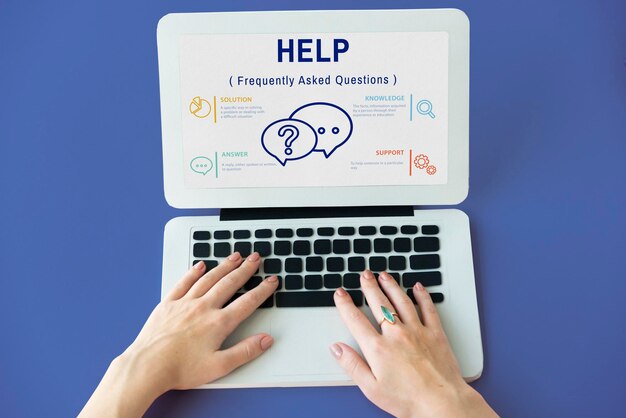
Here are some of the questions website owners often ask when they are getting started.
Is WordPress only for blogs?
No. WordPress started life as a blogging platform and it is still excellent for publishing articles, news and guides. It is now a full content management system.
You can use it for business websites, portfolios, landing pages, membership sites, directories, learning platforms and ecommerce stores. The right theme, plugins and hosting environment make a big difference.
What is the difference between WordPress.com and self-hosted WordPress?
WordPress.com is a hosted publishing service. It can be a good fit for very simple sites where you want someone else to handle most of the technical setup.
Self-hosted WordPress means installing WordPress on your own hosting account and using your own domain. This gives you far more control over themes, plugins, performance, email, backups and custom development. For most business websites, self-hosted WordPress is the more flexible route.
Do I need to know code?
Not for everyday editing. You can create pages, publish posts, upload images, manage menus and install plugins through the WordPress dashboard.
Some coding knowledge helps when you want a custom design, custom functionality or deeper troubleshooting. But many site owners run WordPress successfully without writing code, especially if their hosting and theme choices are sensible.
Are plugins safe?
Good plugins are one of WordPress’s biggest strengths. They let you add forms, SEO tools, security features, ecommerce, galleries and plenty more.
The key is to be selective. Use reputable plugins from trusted developers, check that they are actively maintained and remove anything you no longer need. Too many plugins or poorly coded plugins can slow a site down or create security problems.
How often should WordPress be updated?
Updates should be dealt with promptly, especially security updates. WordPress core, themes and plugins are all maintained separately, so it is normal to see updates appear regularly.
For a simple site, automatic updates may be suitable for some items. For a more complex site, it is often better to test updates first, take a backup and then apply them in a planned way.
Do I need WordPress-specific hosting?
You do not always need a special label on the hosting plan, but WordPress does benefit from a hosting environment that suits it.
Look for good PHP support, database performance, SSL, caching options, reliable backups, malware protection, sensible resource limits and support that understands WordPress. For busier or business-critical sites, managed WordPress hosting can remove a lot of day-to-day worry.
Can WordPress be used for ecommerce?
Yes. WooCommerce is the best-known ecommerce option for WordPress and can handle anything from a small catalogue to a serious online store.
Ecommerce does raise the stakes. You need secure hosting, careful plugin choices, reliable payment handling, good backups and a site that performs well on mobile. It is worth planning properly before adding a shop to an existing site.
Is WordPress secure?
WordPress can be secure, but it needs looking after. Most problems come from weak passwords, neglected updates, poor hosting, abandoned plugins or unsafe themes.
Use strong logins, limit user access, keep everything updated, install security tools where appropriate and maintain proper backups. Security is not a one-time setting. It is part of owning a website.
WordPress is popular because it gives site owners a lot of freedom. The trick is to use that freedom carefully: choose good hosting, keep the site lean, update it regularly and ask for help before small problems become expensive ones.